Wallapop started as a Spanish phenomenon and grew into one of Europe's most recognizable second-hand apps. Today it is especially popular in Spain, Italy, Portugal, France, and the UK. The experience is intentionally mobile-first: most people browse in short sessions, message sellers quickly, and either collect locally or use integrated shipping when it is available.
If you treat Wallapop like a desktop classifieds site from 2010, you will miss listings. This guide explains what Wallapop is, how to search effectively, how location changes results, and how to combine filters, alerts, and negotiation to buy with confidence.
What Wallapop is (and why it feels different)
Wallapop is a peer-to-peer marketplace for used goods: phones, furniture, bikes, fashion, collectibles, and everyday household items. Listings are usually tied to a seller's area, which makes it strong for local pickup and for finding bulky items without courier fees.
Because discovery is feed-driven and chat-based, the best buyers move fast, ask clear questions, and use saved searches so they do not have to scroll manually every hour.
Search like a regular user, then refine like a power buyer
Start with the obvious keywords, then tighten: brand, model, size, color, and year. If results are noisy, add a maximum price early; Wallapop's inventory turns over quickly and price is the fastest way to cut clutter.
Try synonyms and common misspellings. Casual sellers often type titles quickly, which creates hidden deals that never show up in "perfect" searches.
Use location deliberately
Wallapop is built around distance. Widen your radius when you are hunting rare items or willing to travel; narrow it when you want same-day pickup or walkable collection. If you split time between two cities, toggle location rather than relying on a single default, or you will silently miss listings.
Condition filters and photos matter more than stars
Unlike marketplaces that emphasize seller ratings alone, Wallapop purchases often hinge on photos and descriptions. Use condition filters when available, but still read the text: terms like "good" or "used" are subjective. Ask for extra pictures of defects, serial numbers (where relevant), and proof of function before you commit.
Shipping: Wallapop Envíos and when it is worth it
Many deals are face-to-face, but Wallapop also supports shipped sales in supported flows (often referred to as Wallapop Envíos in Spanish markets). Shipping can expand your pool beyond your city, which helps for niche electronics or collectibles. Compare the total landed cost (item + fees + shipping) against local alternatives, and confirm who pays return risk if the item is not as described.
Set up alerts so you are not glued to the app
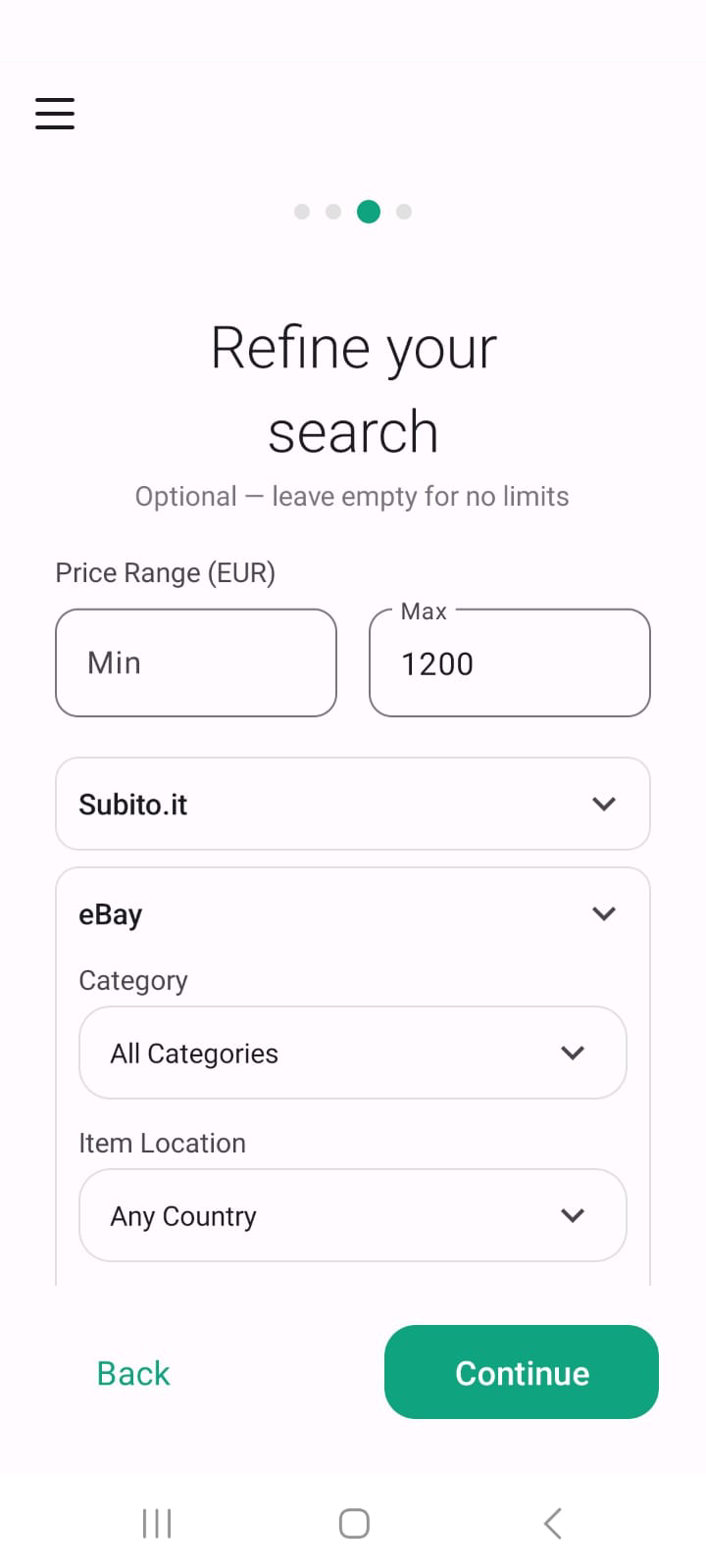
Wallapop's own notifications help, but competitive listings still favor buyers who react first. For faster, consistent coverage, use FlowMarket Wallapop alerts: save a search once, set your price range, and get push notifications when new items match. That is the difference between seeing a listing after 200 people have already messaged the seller and seeing it while it is still fresh.
Negotiation that actually works
Short, polite messages win. Reference the listing, propose a fair price, and offer quick pickup or immediate payment. Lowballing with one word rarely works; showing seriousness (exact cash, flexible timing) often does. If shipping is involved, ask about packaging and tracking before you agree on a final number.
Compare Wallapop with other marketplaces
Wallapop overlaps with Vinted for fashion, eBay for national/international reach, and Facebook Marketplace for hyper-local deals. None of these is strictly "better"; they are different liquidity pools. If you only watch one app, you will miss inventory that never gets cross-listed. A multi-marketplace search mindset, backed by alerts, is how serious buyers cover the gaps.
Never miss a Wallapop deal again
FlowMarket monitors Wallapop and 7 other marketplaces for you. Get instant push notifications when new listings match your search.
Get FlowMarket Free